The region of Provence-Alpes-Côte d’Azur stretches from the Rhône delta to the Italian border, and from the calanques to the Hautes-Alpes. It has two sides: Provence, with its Roman cities and markets, and the Côte d’Azur, centred on the sea.
Choosing where to stay in Provence-Alpes-Côte d’Azur means choosing a pace: a big city to explore on foot, an arts town or a country house among the ponds. Here are the six bases we recommend most, with places we have picked one by one based on their data.
Guesthouses dominate the accommodation options, often with just a few rooms, a garden and a pool. The full list is on our page for places to stay in Provence-Alpes-Côte d’Azur.
How to choose your base
From Nice to Arles, allow about three hours by motorway. Each area lends itself to a different kind of stay:
- Nice and the Riviera: easiest without a car, with the sea, Old Nice and the coastal train.
- Marseille and the Calanques: a port city with contrasting neighbourhoods and coves within bus distance.
- Arles: Roman monuments, photography and a gateway to the Camargue.
- Les Saintes-Maries-de-la-Mer: marshes, horses and sandy beaches.
- Aix-en-Provence: grand town houses, fountains and landscapes painted by Cézanne.
- Avignon: the City of Popes, at the heart of the Vaucluse.
Without a car, Nice, Marseille, Avignon and Aix make the most sense; for the Luberon or the Camargue, a car is essential. For the beach, the Var also has good bases, from Saint-Tropez to Hyères. We start in Nice, follow the coast west, then head inland via Aix and Avignon.
Nice and the Côte d’Azur
Nice brings together almost everything you’d expect from the Riviera: the Promenade des Anglais facing the Bay of Angels, the lanes of Old Nice, the Cours Saleya market and Castle Hill. Since 2021, the city has been a UNESCO World Heritage Site for its winter-resort heritage.
Tram line 2 connects airport terminals 1 and 2 with the city centre, stopping at Jean-Médecin and Port Lympia, in less than 30 minutes. The 2027 Nice Carnival will run from 9 to 28 February at Place Masséna, with the theme “Long Live Love”: book early. For neighbourhood advice, read our guide to where to stay in Nice and browse our places to stay in Nice.
The coastal train serves the rest of the Riviera. Towards Italy, Menton is known for its gardens and ochre façades; westwards, Antibes has its ramparts and Picasso Museum, while Cannes has its Croisette. Inland, Saint-Paul-de-Vence draws art lovers and Grasse attracts perfume enthusiasts.
Two places on the hills above western Nice and one near the station:
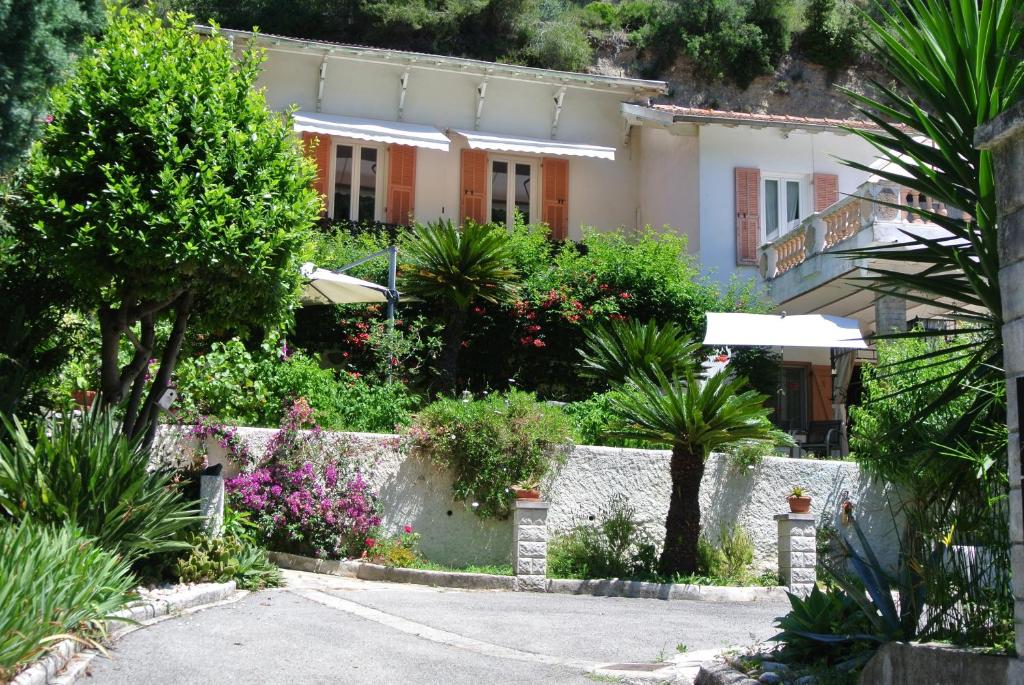
Villa Bellabé
On Chemin de la Madonette-de-Terron, in the western hills, this house focuses on its garden and homemade breakfast cakes. The studio with kitchenette and terrace is well suited to longer stays. Old Nice isn’t just around the corner: plan to take the bus or drive.
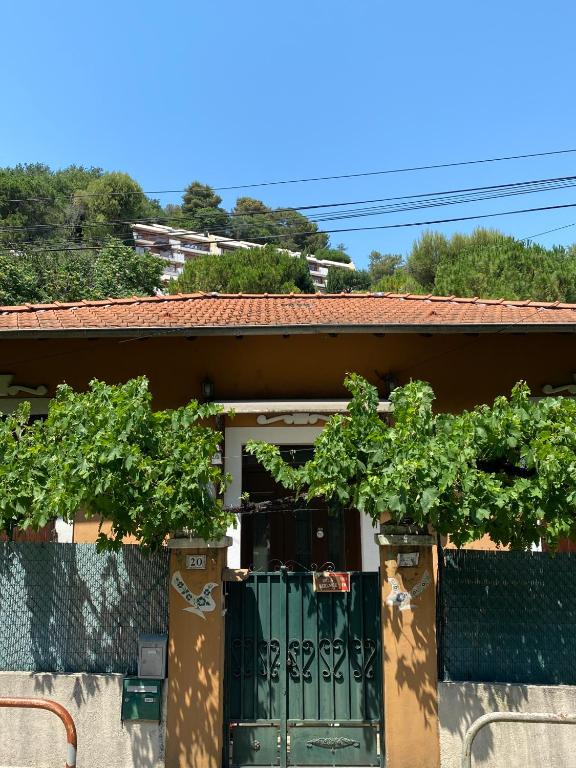
Villa Serenice - F2 au calme, climatisé, WIFI et parking gratuit
A one-bedroom apartment on Chemin de Terron, with a fully equipped kitchen, air conditioning and a terrace overlooking the garden. The hot tub is a welcome treat after a day at the beach. A self-catering option for those who like to cook and get around by car.
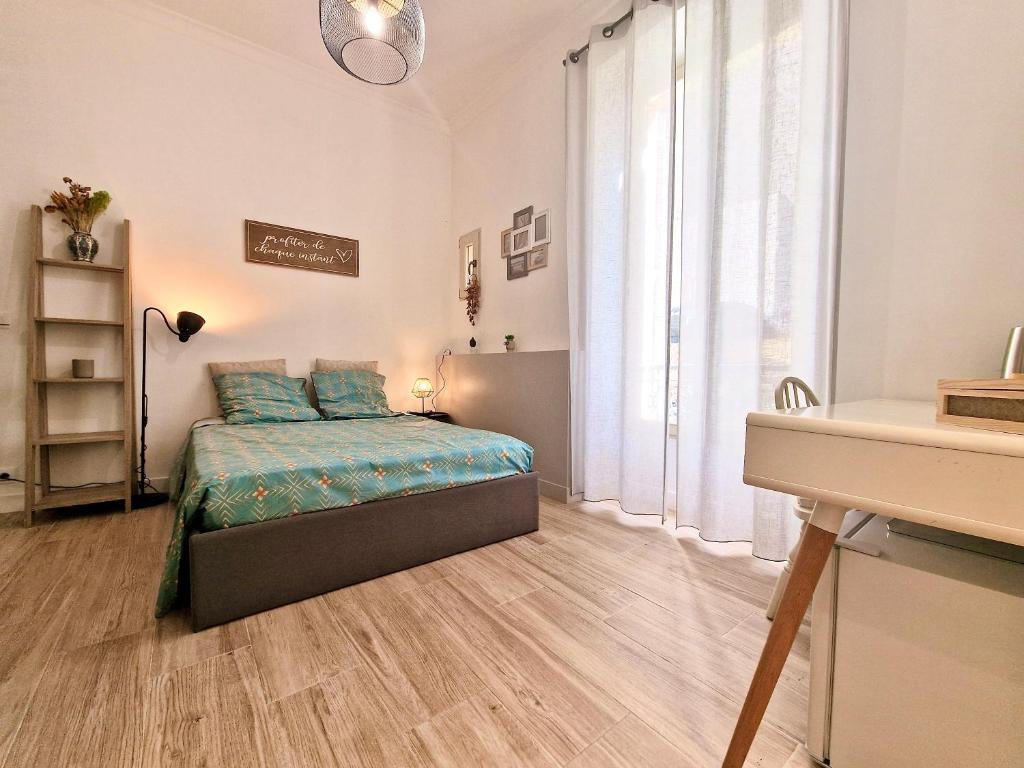
Family Room
On Rue Rossini in the Musicians’ Quarter, this air-conditioned room has a patio and views of an inner courtyard. The station, museums and beaches are all within walking distance, making it a good base without a car. There are few rooms, so book ahead.
Marseille and the Calanques
Marseille is unlike any other French city: the Old Port, Le Panier, the Mucem, linked to Fort Saint-Jean by a footbridge, and Notre-Dame de la Garde rising above it all. Southwards, the coastal road leads to Vallon des Auffes and then to Calanques National Park.
The city’s 16 arrondissements are all different. The 1st and 6th, around La Canebière and Cours Julien, are best explored on foot; the eastern neighbourhoods are quieter and greener, but far from the sea. Read our guide to where to stay in Marseille and browse the places to stay in Marseille. To sleep facing the cliffs of Cap Canaille, also consider Cassis.
Two places in the city centre and one further east:
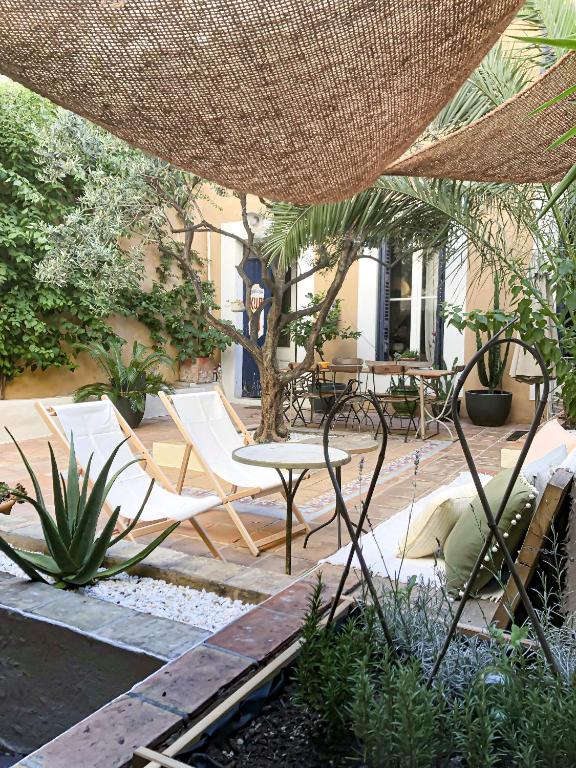
Maison d'hôtes - Maison Olea
On Rue Adolphe-Thiers in the 1st arrondissement, three rooms with private bathrooms share a shaded patio around an olive tree, a garden and a terrace. A rare find in the city centre, within walking distance of the Old Port. With so few rooms, book early.
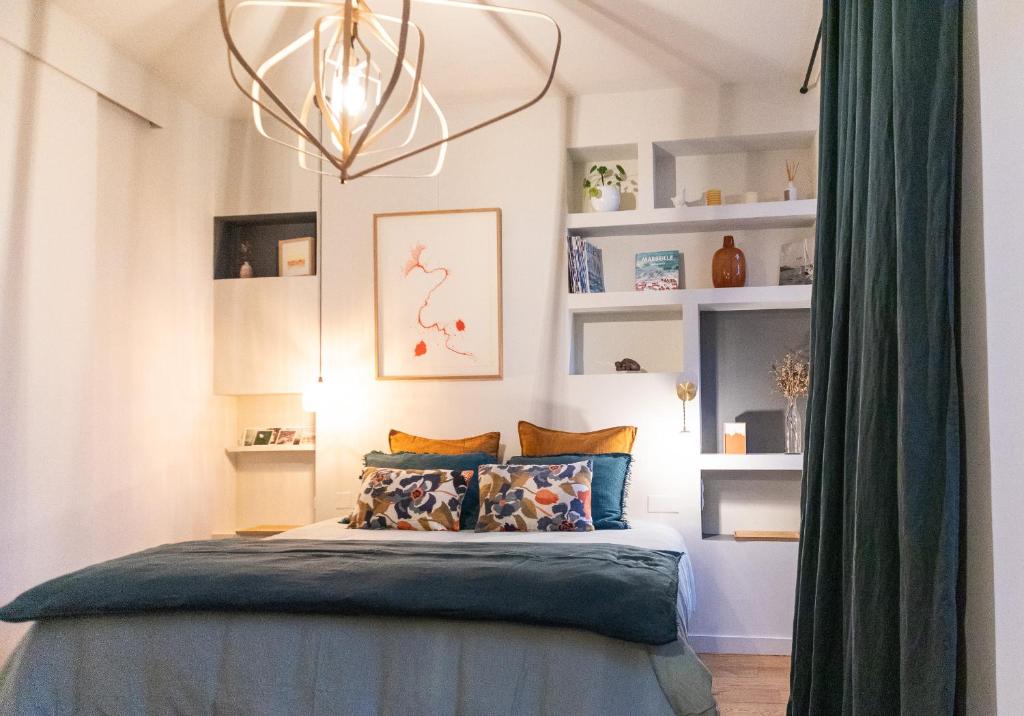
La Maison Vague
On Rue Fontange in the 6th arrondissement, this 40 m² air-conditioned room comes with a bathtub and continental breakfast. Cours Julien and its restaurants are close by. Ideal for a couple wanting to experience Marseille from the inside.
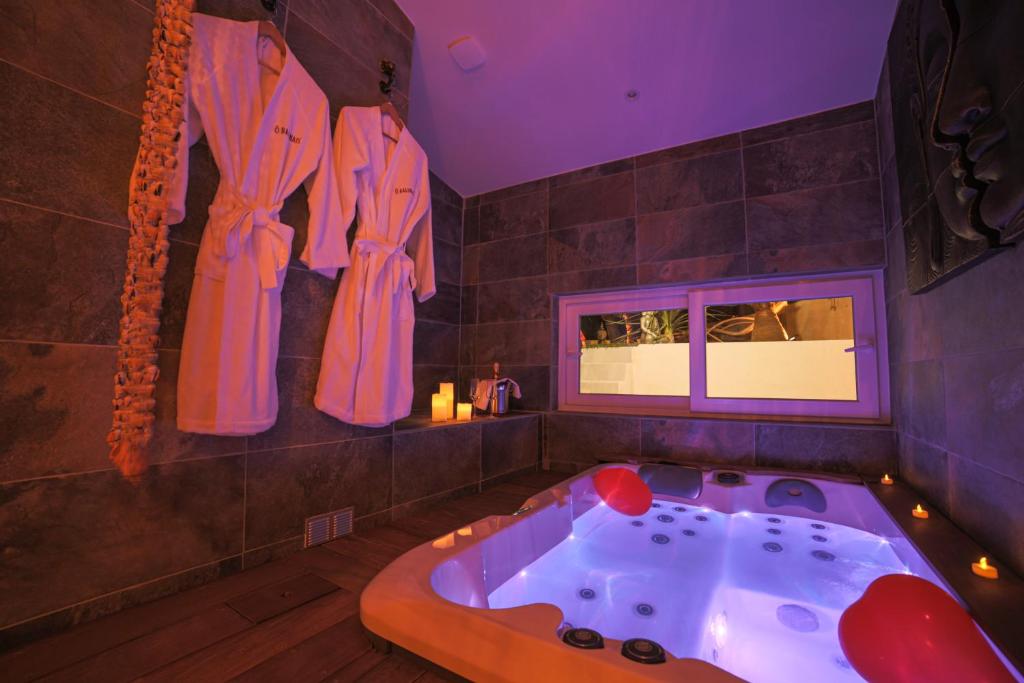
Ô Balinais mini villa avec spa et piscine chauffée privative Marseille
On Montée Chantecler in the 11th arrondissement, this suite for two has a private heated pool, hot tub and terrace facing the garden and hills. It’s a couples’ getaway: the Old Port is far away, so plan to drive or use public transport.
Arles
Arles has been a UNESCO World Heritage Site since 1981 for its Roman and Romanesque monuments: the amphitheatre, the ancient theatre, the cryptoporticus and the cloister of Saint-Trophime. Van Gogh painted here for more than a year, and Frank Gehry’s tower at LUMA has become a new landmark.
The Easter Feria will take place from 26 to 29 March 2027, while the Rencontres d’Arles photography festival fills the city every summer, from July into autumn. Until 30 September 2027, a major free exhibition celebrates the bicentenary of photography. Read our guide to where to stay in Arles and browse the places to stay in Arles.
About half an hour’s drive away, at the foot of the Alpilles, Saint-Rémy-de-Provence offers a more village-like alternative, with the ancient site of Glanum. Here’s one place in town and another out in the countryside:
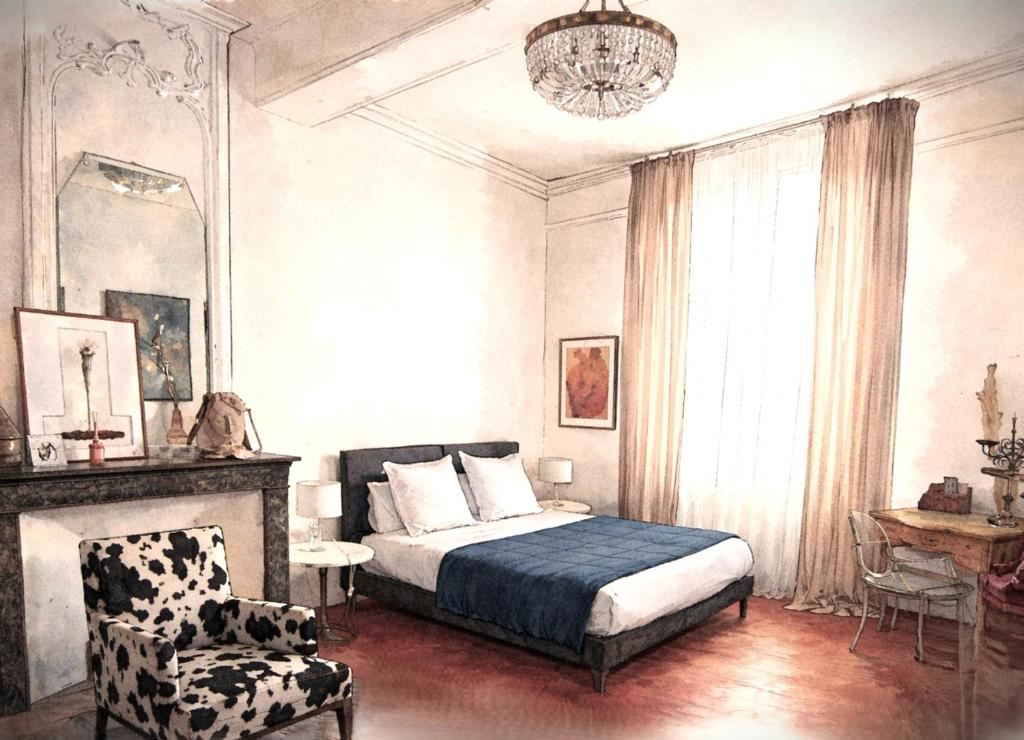
Ô Anges
On Rue Jean-Granaud, close to the ancient monuments, this property has air-conditioned rooms, a garden and an à la carte breakfast. Leave the car in a nearby free public car park and explore everything on foot: ideal for a weekend of sightseeing.
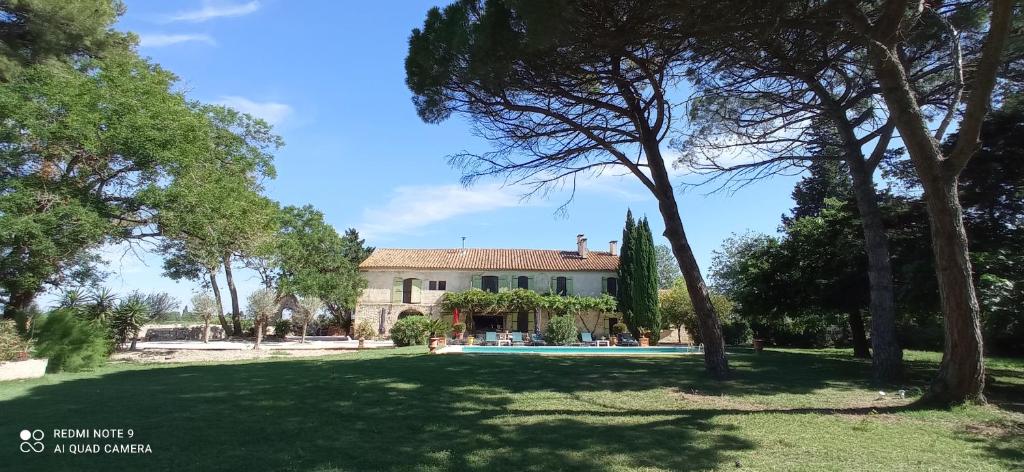
Le Mas Neuf 1752
On Draille du Beurre, far from the centre, this country house has a saltwater pool and garden, with accommodation ranging from suites to a villa. It suits families and groups of friends, and pets are welcome. A car is essential to make the most of it.
Les Saintes-Maries-de-la-Mer and the Camargue
At the far end of the Camargue, Les Saintes-Maries-de-la-Mer clusters around its fortified church, between the sea and the ponds. The surrounding regional nature park unfolds into marshes, flamingos, herds of semi-wild horses and sandy beaches, stretching as far as the Gacholle lighthouse.
Every year on 24 and 25 May, the pilgrimage in honour of Sara draws thousands of people, who carry her statue to the sea: accommodation sells out well in advance on these dates. See our guide to where to stay in Les Saintes-Maries-de-la-Mer and browse the places to stay in Les Saintes-Maries-de-la-Mer.
Here, people tend to stay in a mas, or country house. Two places with pools:
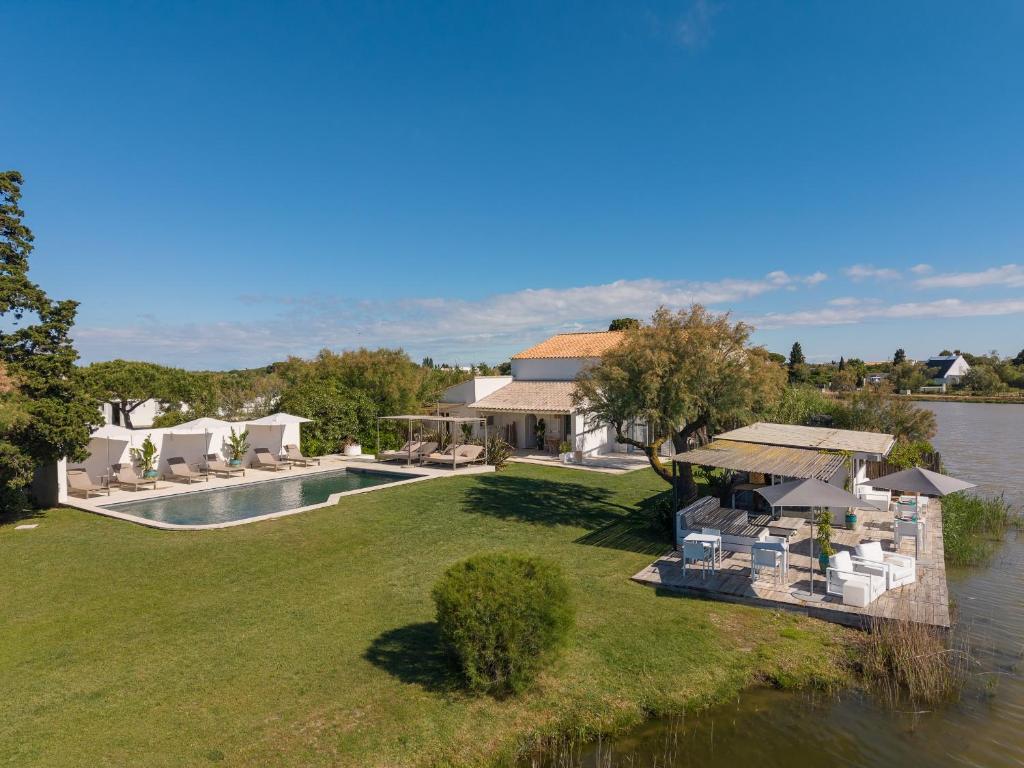
Mas des Cabidoules
On Chemin Bas-des-Launes, at the edge of the village, this country house has a saltwater pool, garden and air-conditioned rooms opening onto a terrace. Free private parking makes it easy to head out to the beaches and ponds: a convenient base for exploring the Camargue.
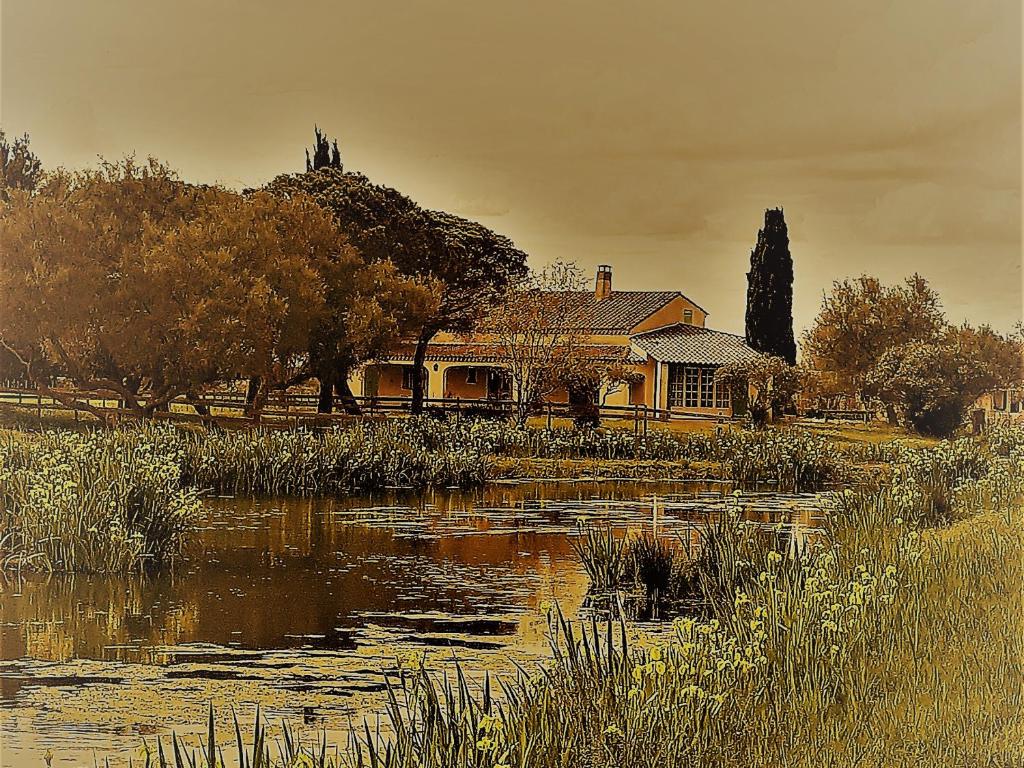
Mas Fandelou Adult Only
On Route de Cacharel, this adults-only country house has a pool, garden and rooms overlooking the pond. The quiet marshland setting makes it a good choice for couples. Children are not allowed, and the village is reached by car or bicycle.
Aix-en-Provence
Aix-en-Provence is best explored on foot, from Cours Mirabeau and its plane trees to Old Aix, with its fountains and the daily market on Place Richelme. Montagne Sainte-Victoire, painted so often by Cézanne, fills the eastern horizon.
The Aix-en-Provence Festival, dedicated to opera, will run from 1 to 20 July 2027: this is the busiest time of year. Read our guide to where to stay in Aix-en-Provence and browse the places to stay in Aix-en-Provence.
Two guesthouses with pools, one near the centre and the other outside it:
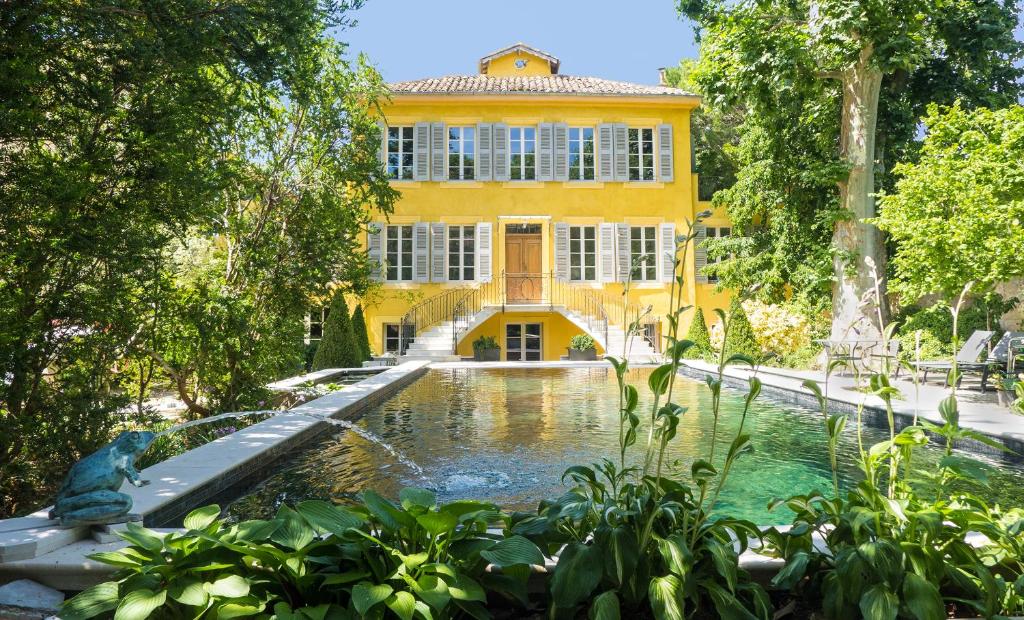
Villa Amara
On Cours des Arts-et-Métiers, north of Old Aix, this five-star guesthouse rents air-conditioned suites with kitchens. A heated pool, garden and breakfast complete the picture: a good option for a week split between restaurants and meals at home.
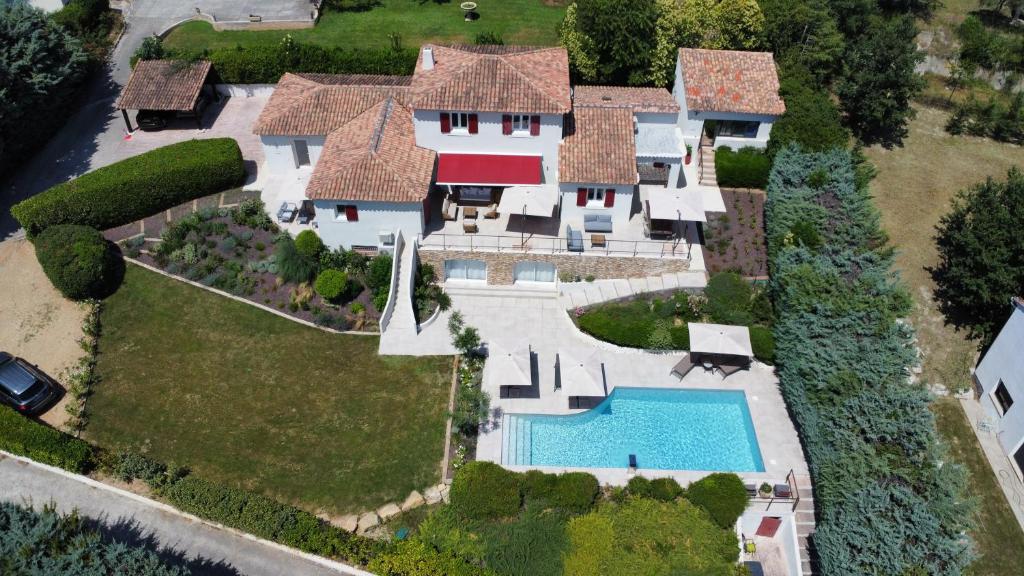
The View Aix-en-Provence
At Domaine des Plâtrières on Avenue de la 1re-Division-Française-Libre, outside the historic centre, air-conditioned suites open onto a garden with a pool. Free private parking makes it a convenient stop on a road trip; to reach Cours Mirabeau, you’ll need to drive or take the bus.
Avignon, the Luberon and Mont Ventoux
Behind its ramparts, Avignon is home to the Palais des Papes and Pont Saint-Bénézet, both UNESCO World Heritage Sites since 1995, as well as the garden on Rocher des Doms above the Rhône. The Festival d’Avignon and its Off fringe festival transform the city every July: driving within the city walls is then very restricted.
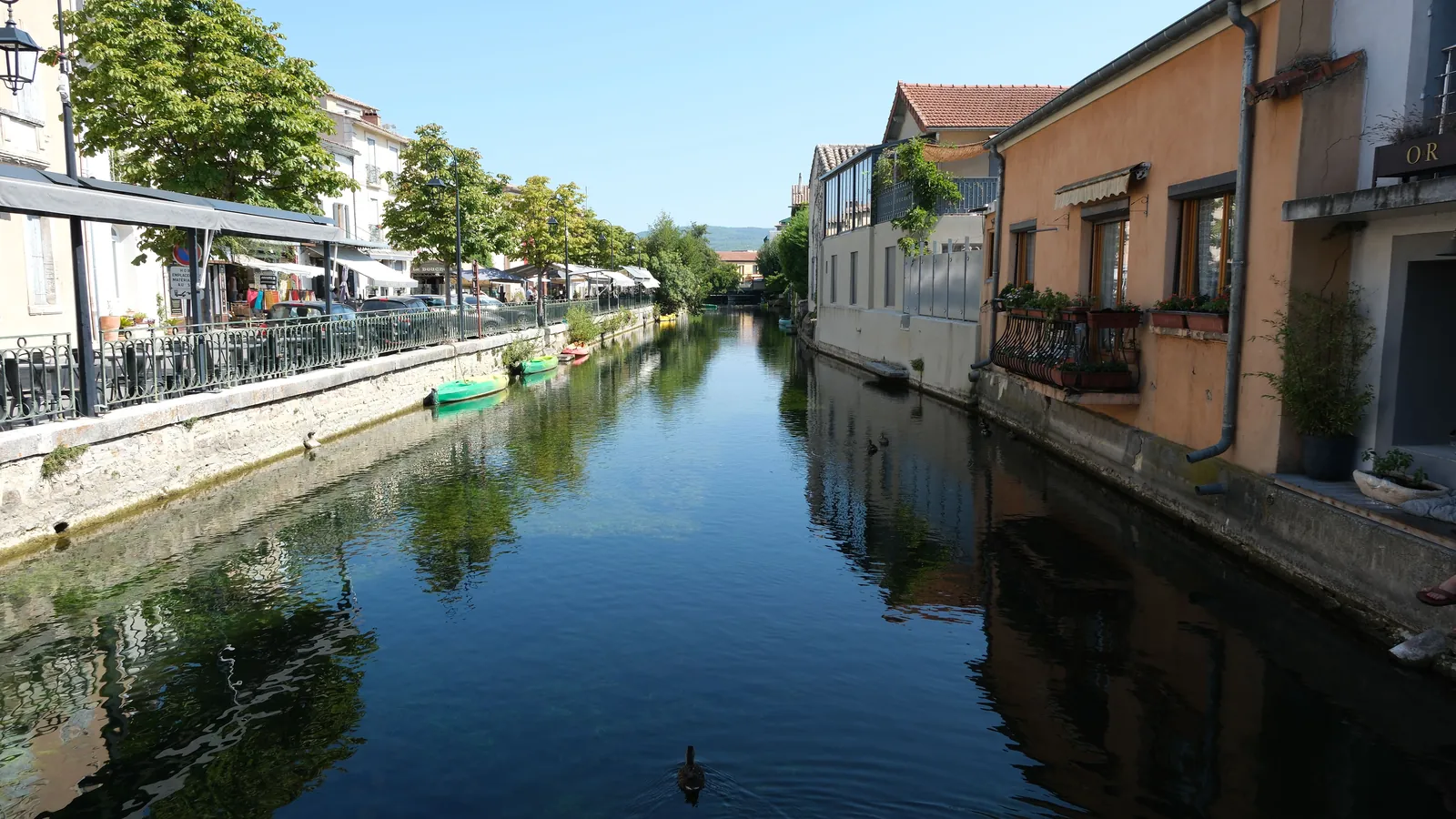
The city is also the best starting point for exploring the Vaucluse. To the east, L’Isle-sur-la-Sorgue is known for its antique dealers and canals; further on, Gordes and Lourmarin open the way to the Luberon. To the north, Orange has its ancient theatre, while Bédoin is the village where cyclists set off to climb Mont Ventoux.
For the city, read our guide to where to stay in Avignon and browse the places to stay in Avignon. Two places with pools, which are rarer in town:
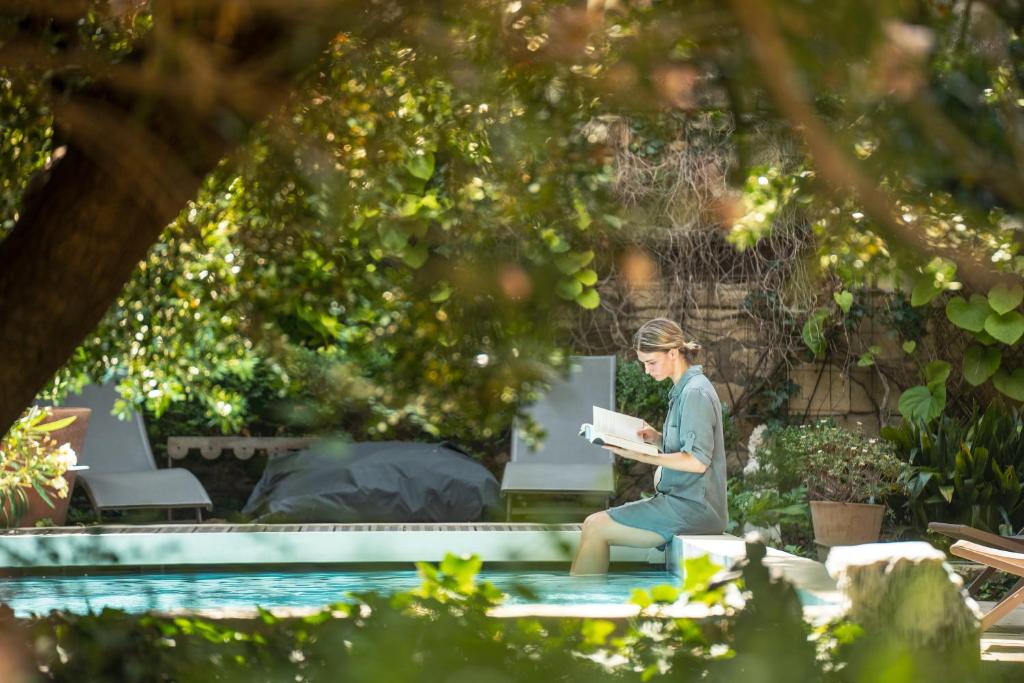
Les Jardins de Baracane
On Rue Baracane in the historic centre, this 17th-century residence has a garden, pool and air-conditioned rooms overlooking the greenery. Breakfast is served buffet-style. Everything is within walking distance, but getting into the city walls by car becomes tricky in July.
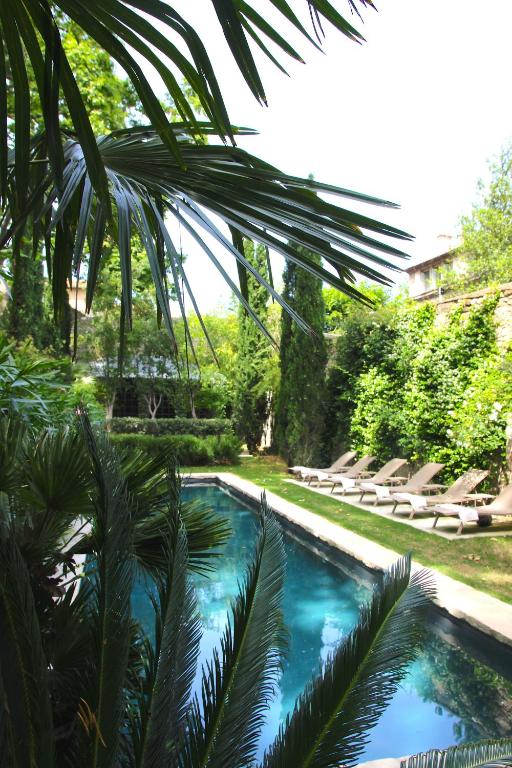
La Divine Comédie-Suites Deluxe
At the end of Impasse Jean-Pierre-Gras, this residence has suites overlooking the garden, as well as a pool and wellness area. The sunny terrace invites you to slow down: a place for couples rather than a one-night stopover.
When to go
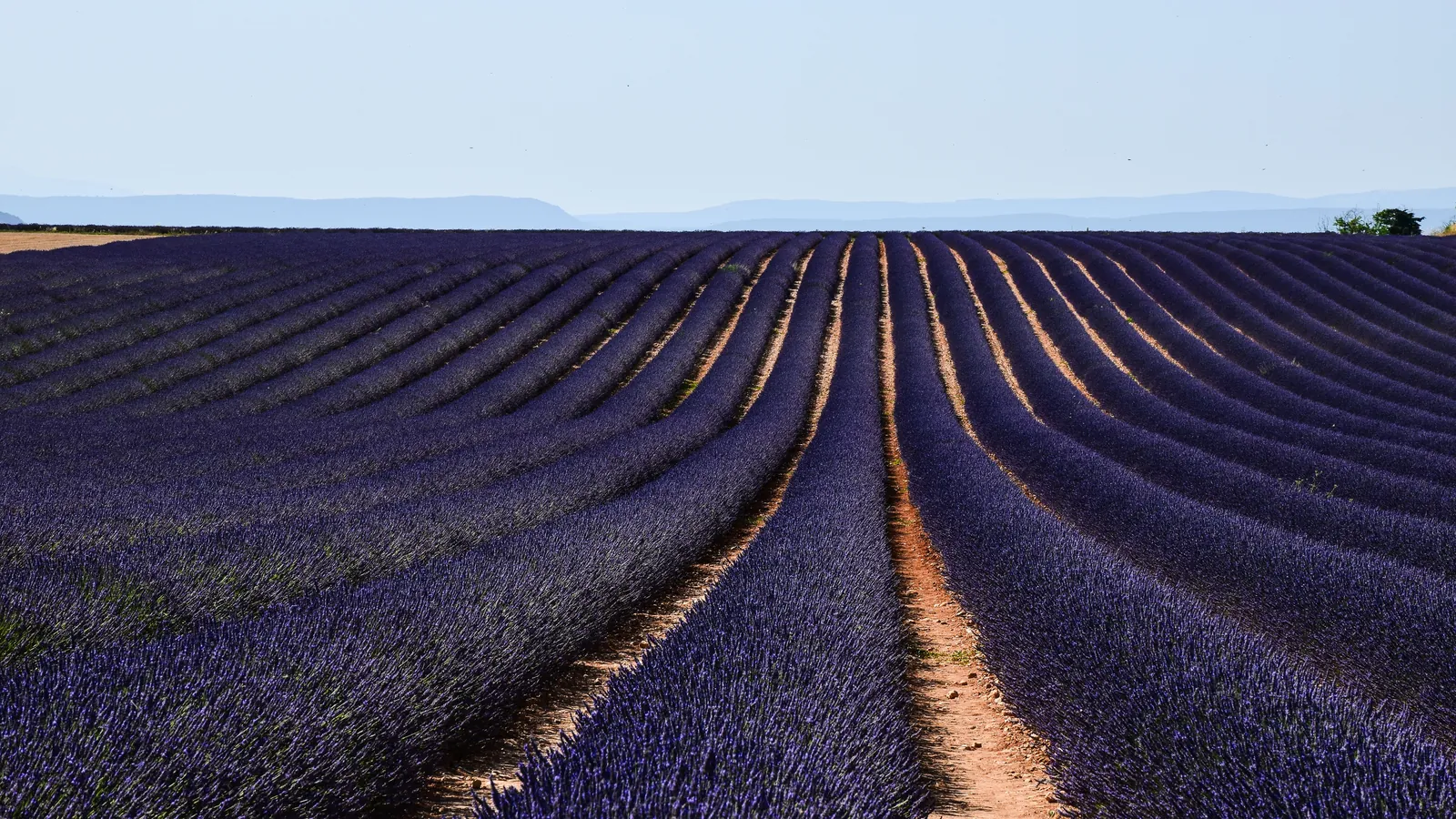
July and August bring festivals, warm seas and lavender, but also traffic jams and the highest prices. May, June and September offer almost the same light with fewer visitors. In summer, access to the hills may be restricted when there is a fire risk: check the day before heading out for a hike.
Winters are mild on the coast, especially in Nice and Menton. Inland, some guesthouses close for winter: check their opening dates.
Getting there and getting around
High-speed trains serve Avignon, Aix-en-Provence, Marseille and Nice. From Paris, allow about 2 hours 40 minutes to Avignon TGV station, 6 km from the centre and connected to the city-centre station by a TER train in a few minutes. The main airports are in Nice and Marseille.
Once there, TER trains run along the coast from Marseille to Toulon and from Cannes to Menton. For the Camargue, the Luberon and the Alpilles, a car is the easiest option; in historic centres, leave it at a park-and-ride car park.
Each stop has its own guide. On the Riviera: Nice, Menton, Antibes and Cannes; inland, Saint-Paul-de-Vence and Grasse. In the Var: Saint-Tropez, Sainte-Maxime, Saint-Raphaël, Hyères, Le Lavandou and Lorgues. In the Bouches-du-Rhône: Marseille, Cassis and Aix-en-Provence; further west, Arles, Saint-Rémy-de-Provence and Les Saintes-Maries-de-la-Mer. In the Vaucluse: Avignon, L’Isle-sur-la-Sorgue, Gordes, Lourmarin, Orange and Bédoin.
Frequently asked questions
A few quick answers before you choose your base.
Which is the best town to stay in in Provence-Alpes-Côte d’Azur?
It depends on your trip. Nice is the easiest base for a first stay on the Côte d’Azur: the airport is connected by tram, and there’s the sea, Old Nice and trains to Menton and Cannes. Marseille suits fans of big cities who want to see the Calanques. For monuments, Avignon and Arles are the best choices; Aix-en-Provence appeals for its markets. Les Saintes-Maries-de-la-Mer is for nature lovers and fans of wide-open spaces.
Where can I stay in Provence without a car?
The towns served by high-speed trains are the most convenient: Avignon, Aix-en-Provence, Marseille and Nice all have centres that are easy to explore on foot. In Nice, the tram connects the airport to the centre in less than 30 minutes, and the coastal train goes to Antibes, Cannes and Menton. The Camargue, the villages of the Luberon and remote country houses, however, require a car, as buses are infrequent outside the high season.
Is it better to stay on the coast or inland?
The coast is ideal for the beach and car-free trips, but it’s expensive and very busy in summer. Inland, around Avignon, Aix or Arles, you’ll find more space, country houses with pools and easy access to villages, vineyards and markets. You can combine the two in a week: spend a few nights in inland Provence, then head to the Côte d’Azur.
When should I book for the high season?
For July and August, book several months ahead, especially at guesthouses, which often have only a few rooms. Some dates sell out even sooner: the Nice Carnival in February, the Easter Feria in Arles, the pilgrimage in Les Saintes-Maries-de-la-Mer in late May, and the Aix and Avignon festivals in July. In spring and autumn, a few weeks’ notice is usually enough.
Can you visit the region in a week?
In a week, it’s best to choose one half of the region. For Provence, two bases are enough, for example Avignon or Arles, followed by Aix-en-Provence, with day trips to the Alpilles, the Luberon and the Camargue. On the Côte d’Azur, Nice makes it easy to explore by train from Menton to Cannes. Trying to see everything from Nice to the Camargue in seven days means spending your days on the road.
Provence-Alpes-Côte d'Azur
5,022 places